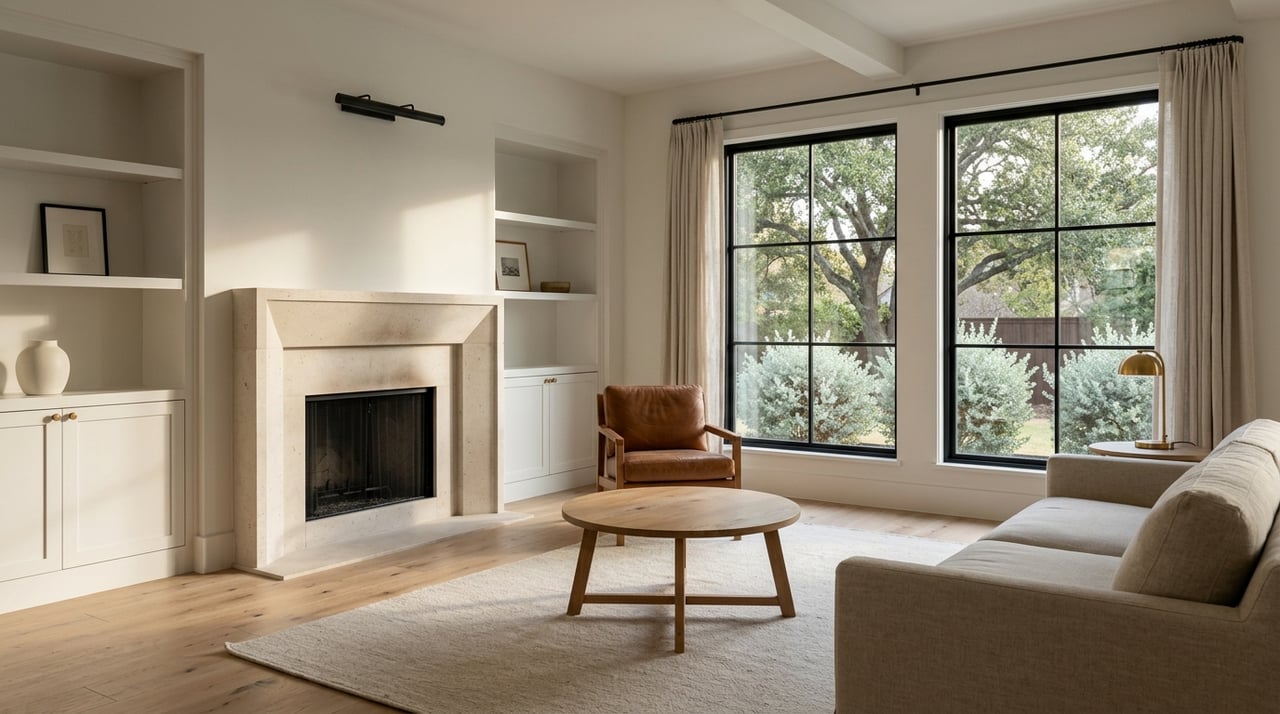
Selling a home with historic charm in Georgetown can feel like walking a fine line. You want to highlight the details that make your home memorable, but you also do not want to make changes that hurt its character or create avoidable delays. If you are getting ready to list, understanding how Georgetown treats historic properties can help you make smarter choices, present your home well, and attract serious buyers. Let’s dive in.
What Historic Charm Means in Georgetown
In Georgetown, historic charm is not just a marketing phrase. The city was founded in 1848, its central square includes more than 50 Victorian-era buildings, and the community includes multiple historic districts and overlay areas. That local context matters because buyers often connect a home’s appeal to the broader character of the area.
Georgetown also uses design guidelines that treat preservation as part of the city’s identity and economic well-being. Those guidelines apply to improvements on historic properties and to new construction within Historic Overlay Districts. In practical terms, that means your home’s exterior details, setting, and relationship to the street may play a bigger role in your sale than you might expect.
A home does not always have to be a formally designated landmark to feel historic. Georgetown uses a 50-year guideline for historic significance, but the city also notes that some newer buildings may still contribute to a district’s character. So if your home has older architectural details or sits in an established part of Georgetown, buyers may still respond strongly to that sense of place.
Why Character Can Help Your Sale
Historic charm gives buyers something they cannot easily find in a newer build. Original windows, a welcoming porch, detailed trim, period doors, and visible craftsmanship can make a home stand out online and in person. When marketed well, those features help buyers remember your property.
That said, charm works best when buyers can clearly see it. If special details are hidden by clutter, heavy furniture, deferred maintenance, or overly trendy updates, the home may lose some of its impact. Your goal is to make the character feel authentic, cared for, and easy to appreciate.
Start With Georgetown Rules Before Updates
Before you paint, replace windows, change exterior elements, or plan any visible alteration, check whether your home falls within a historic overlay or related review area. Georgetown’s Certificate of Appropriateness process may require approval from the Historic Preservation Officer or the Historic and Architectural Review Commission before permits are issued.
This is especially important for exterior work. The city’s guidelines cover more than major renovations. Depending on the property and location, changes to color, signage, additions, and other visible elements may be reviewed, especially in Downtown and Old Town overlay districts.
If you skip this step, you could create unnecessary delays right when you want to bring your home to market. A smoother path starts with confirming what is allowed before making visible changes.
Focus on Preservation, Not Reinvention
Georgetown’s preservation principles strongly favor keeping significant features and maintaining historic elements through routine care. The city encourages repair over replacement whenever possible. It also advises against changing a building’s style or trying to make it look older than it really is.
For sellers, that is useful guidance. In many cases, the best pre-listing strategy is not a dramatic redesign. It is careful upkeep that protects what already makes the home special.
Character-defining features often include:
- Original or older windows
- Doors and entry details
- Front porches
- Exterior materials
- Decorative trim and ornamentation
- Other highly visible architectural features
If replacement is unavoidable, Georgetown’s guidelines say the new work should match the old in design, color, texture, and, where possible, materials. Buyers looking at historic-feel homes often notice when a change feels out of place.
The Safest Pre-Listing Improvements
If you want the home to show better without risking over-renovation, start with maintenance and presentation. Georgetown’s guidelines support routine maintenance and repair, and those updates often do more for your sale than expensive changes with uncertain return.
Good pre-listing priorities often include:
- Caulking and sealing where needed
- Limited paint removal and repainting
- Trim repair
- Cleaning exterior surfaces
- Minor repairs
- Landscaping cleanup
Inside the home, simple seller prep still matters. Common staging recommendations include decluttering, deep cleaning, removing pets during showings, and handling minor repairs before listing. These steps help buyers focus on the home’s character instead of distractions.
Avoid Over-Renovating a Historic-Feel Home
It is easy to assume that newer always sells better, but that is not always true in Georgetown. If you remove period details or replace them with finishes that clash with the home’s style, you may reduce the very appeal buyers came to see.
New additions or exterior alterations should be compatible with the home and surrounding district in massing, size, scale, and architectural features. Even if you are not planning a full addition, the same idea applies to seller prep. The best updates respect the home’s existing look instead of competing with it.
A good rule of thumb is simple: preserve the story, improve the condition. Buyers are often willing to embrace age and character when the home feels well cared for.
Stage to Highlight Period Details
Staging can make a real difference in how buyers respond. In the National Association of Realtors 2023 Profile of Home Staging, 81 percent of buyers’ agents said staging made it easier for buyers to visualize the property as a future home. Another 20 percent said staging increased the dollar value offered by 1 percent to 5 percent.
For a Georgetown home with historic charm, staging should simplify the space without stripping away personality. You want buyers to notice the ceiling height, natural light, trim details, woodwork, porch access, or original built-ins. Those features should feel central, not crowded out.
The rooms that matter most to stage are often:
- Living room
- Primary bedroom
- Kitchen
- Dining room
Use lighter, scaled furniture if possible. Keep surfaces clean and edited. Let standout architectural details do some of the work.
Use Photos and Video That Tell the Story
Your online presentation may shape a buyer’s first impression before they ever schedule a showing. According to NAR, 81 percent of buyers rate listing photos as the most useful feature in their online home search. Sellers also benefit from high-resolution photos and video tours.
That matters even more with a home that has historic character. Strong visuals can capture details that make the property feel distinctive, like a front porch, original door hardware, wood floors, trim, or a classic streetscape view. The right photography helps buyers understand both the home and its setting.
NAR also notes that cameras magnify clutter and poor furniture arrangement. In some cases, a strong exterior photo or a focused lifestyle-oriented interior image can outperform a basic wide room shot. That is one reason polished prep before photography is so important.
Video can also add value by showing how the home flows from one room to the next. For a property with charm and architectural details, a thoughtful walk-through often helps buyers connect emotionally in a way still photos alone may not.
Be Careful With Virtual Staging
If your Georgetown home is vacant or only partially furnished, virtual staging can help buyers picture the space. It can be especially useful in rooms where scale or function may not be obvious from empty photos.
But transparency matters. NAR cautions that buyers should be told when images are digitally altered. If the online presentation feels too different from the in-person showing, buyers may feel disappointed, and that can affect both interest and offers.
For a character home, authenticity is part of the value. Any digital enhancement should support the home’s real appearance, not mask it.
Choose an Agent With a Historic-Home Plan
Selling a home with historic charm is not exactly the same as selling a standard suburban property. You need a marketing plan that highlights architectural details, understands Georgetown’s review environment, and avoids updates that could create problems.
In NAR’s 2024 profile, 90 percent of home sellers used a real estate agent or broker, and sellers most often wanted help with marketing, competitive pricing, finding a qualified buyer, and staying on timeline. For a Georgetown property with historic appeal, those needs become even more specific.
When you interview an agent, ask about:
- Their plan for marketing character details
- Their experience with professional photography and video
- Their approach to staging older homes
- Their familiarity with Georgetown’s Certificate of Appropriateness process
- How they would advise on pre-listing repairs versus replacements
A strong agent should know how to present your home with polish while keeping the story honest. That balance can help attract buyers who value what makes your property unique.
A Smart Selling Strategy for Georgetown Charm
If your home has historic charm, you do not need to erase its age to make it market-ready. In many cases, the better strategy is to preserve original appeal, handle visible maintenance, stage with intention, and use strong visual marketing to tell a clear story.
In Georgetown, that approach fits both buyer expectations and the city’s preservation-minded standards. When you pair thoughtful prep with local guidance, you can position your home in a way that feels authentic, appealing, and market-savvy.
If you are thinking about selling a Georgetown home with historic charm, Christie Minalga can help you build a smart plan for pricing, prep, and polished marketing that respects what makes your home special.
FAQs
What counts as historic charm in a Georgetown home?
- In Georgetown, historic charm can include older architectural details, original materials, porches, windows, doors, trim, and a home’s contribution to the look and feel of an established district or overlay area.
Should you renovate a historic-feel home before selling in Georgetown?
- Usually, careful maintenance and repair are safer than major redesigns. Georgetown’s guidelines emphasize keeping significant features, repairing historic elements when possible, and avoiding style changes that alter the home’s character.
Do Georgetown sellers need approval for exterior changes on historic properties?
- Some exterior work in historic overlays may require a Certificate of Appropriateness review before permits are issued, so it is smart to confirm the rules before making visible changes.
Which rooms matter most when staging a historic Georgetown home?
- The living room, primary bedroom, kitchen, and dining room are often the most important rooms to stage because buyers tend to focus on those spaces when imagining daily life in the home.
Does staging really help when selling a Georgetown home with character?
- Yes. NAR’s 2023 staging report found that staging helps buyers visualize a home more easily, and some agents reported that staging increased offers by 1 percent to 5 percent.
What should sellers ask an agent about marketing a Georgetown historic home?
- Ask about the agent’s plan for staging, photography, video, pricing, and their familiarity with Georgetown’s historic review process so you can choose someone prepared to market the home thoughtfully.
