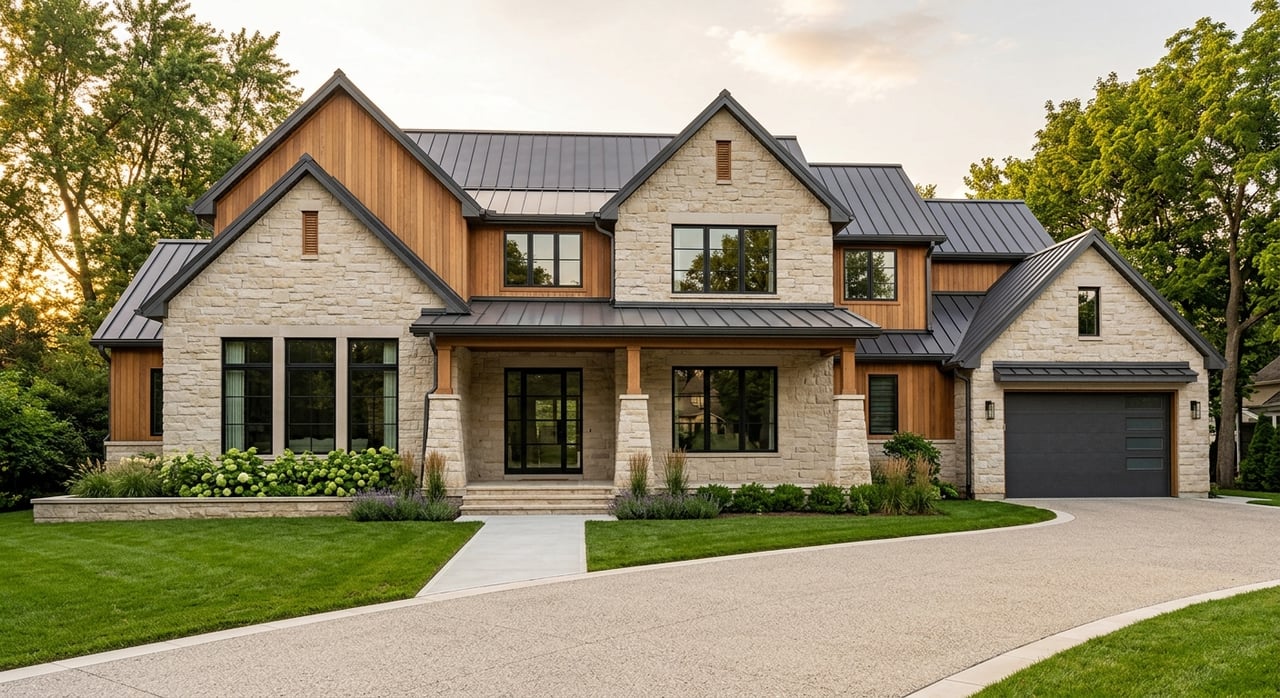
Thinking about trading Austin’s pace for a little more room to breathe? If you’re considering a move to Cedar Park, you’re probably weighing space, commute time, home styles, and how to time a sale and purchase without creating extra stress. This guide will help you understand what changes when you move from Austin to Cedar Park, what stays convenient, and how to plan your next steps with more confidence. Let’s dive in.
Why Cedar Park Appeals to Austin Movers
If you want to stay connected to the Austin area without living in the middle of the city, Cedar Park often lands on the shortlist. It sits on Austin’s northern edge, about 17 miles from downtown Austin, and the city describes it as roughly 25 minutes north of downtown and the airport with access to major highways and Metrorail.
The feel is different from Austin in a few important ways. Census data shows Cedar Park has 78,380 residents compared with Austin’s 993,588, and Cedar Park has a much higher owner-occupied housing rate at 66.7% versus 43.4% in Austin. That tends to translate into a more suburban, homeowner-oriented environment.
Cedar Park households are also larger on average, with 2.70 people per household compared with 2.10 in Austin. While every household is different, that data supports why many buyers experience Cedar Park as a place that offers more room and a more residential feel.
What Housing Feels Like in Cedar Park
If you’re used to Austin’s mix of urban condos, older bungalows, infill projects, and apartments, Cedar Park’s housing stock will likely feel more focused on single-family living. The city’s comprehensive plan says traditional single-family residential remains the predominant housing type, with many low-density subdivisions making up a large share of the existing homes.
That does not mean your only option is a detached house. Cedar Park also has townhomes and apartment development, but the city places much of that higher-density housing in pedestrian-oriented mixed-use areas rather than throughout the city. In practical terms, you can expect a suburban single-family market with selected pockets of attached and multifamily options.
Another key point is that Cedar Park is mostly built-out. According to the city’s Mobility Master Plan, that means many buyers are choosing between established neighborhoods, targeted infill, and a limited number of newer projects rather than endless outward expansion.
Lot Sizes and Neighborhood Patterns
One of the biggest questions Austin buyers ask is whether Cedar Park homes come with larger lots. The safest answer is that lot size varies by subdivision and by when the neighborhood was developed.
Cedar Park’s development guidance explains that lot dimensions are tied to recorded subdivision plats in Williamson County or Travis County public records, and setbacks depend on zoning or the subdivision plat. So instead of assuming one standard lot size across Cedar Park, it makes more sense to compare neighborhoods one by one.
That neighborhood-specific approach matters because Cedar Park grew heavily through master-planned communities. The city’s planning documents note that many of these communities include neighborhood parks, trails, pools, and community buildings, which can shape both the lot layout and the overall lifestyle.
Daily Life in Cedar Park
For many Austin movers, the lifestyle shift matters just as much as the house itself. Cedar Park has built much of its identity around outdoor access, community amenities, and neighborhood-based living.
The city maintains 46 parks across about 1,000 acres and 34 miles of trails. Parks and Recreation also oversees more than forty parks, cave preserves, pools, a splash pad, a recreation center, and a skate park. That gives you a lot of ways to stay active close to home.
Two standout amenities are Lakeline Park and the Brushy Creek Regional Trail. The city says Lakeline Park opened phase one in March 2023 and includes about 3 miles of trails, a playground, a great lawn, a kayak launch, a fishing pier, and pavilions. Williamson County says the Brushy Creek Regional Trail runs for over 6 miles to Twin Lakes Park in Cedar Park.
The Bell District is another part of Cedar Park’s evolving daily-life mix. It adds a 54-acre walkable mixed-use area anchored by the public library and Bell Park, which gives the city a more connected hub for gathering, errands, and recreation.
Commute Changes to Expect
Moving from Austin to Cedar Park does not necessarily erase your commute. It changes how you commute.
Census data shows Cedar Park workers average a 25.5-minute trip to work, compared with 23.7 minutes in Austin. That gap is not huge, but it does highlight an important shift. Your day may become more dependent on highway corridors, toll choices, and where you need to be in the metro.
If you commute toward Austin, major road access is part of the appeal. Cedar Park has direct access to key highways, and TxDOT’s US 183 frontage-road project from RM 1431 to Avery Ranch Boulevard is designed to improve mobility, safety, and travel times in a busy corridor.
Transit can also be part of the equation for some households. CapMetro’s Red Line runs between downtown and Leander, and Lakeline Station in Cedar Park offers Park & Ride connections. If you want to reduce drive time fatigue on certain days, that can be worth factoring into your home search.
Property Taxes: What to Keep in Mind
A lot of Austin-to-Cedar Park movers want to know whether property taxes will feel lower. The answer is partly yes at the city level, but you still need to look at the full tax picture on any specific home.
Cedar Park’s FY 2026 budget materials show a proposed city ad valorem tax rate of $0.36 per $100 of property valuation. Austin’s FY 2025-26 city property tax rate is $0.574017 per $100 taxable value. On its face, Cedar Park’s city portion is lower.
But the city portion is only one layer. Cedar Park notes that about 18% of the total property-tax bill comes from the city portion, which means your final tax bill also depends on other taxing entities such as county, school district, college district, and health district layers. When comparing homes, you want to review the full tax structure rather than focus on one rate alone.
School Access and Local Services
If school-day logistics matter in your move, Cedar Park is served by Leander ISD. The city also notes that Austin Community College’s Cypress Creek campus is nearby, which may be useful if your household is thinking about dual credit, continuing education, or workforce training.
When you compare neighborhoods, it helps to look at location in relation to your routine. Think about drive times to work, parks, grocery runs, activities, and any regular campus or community destinations. That often tells you more than a simple map search.
Selling in Austin While Buying in Cedar Park
This is where many moves get complicated. Even if Cedar Park feels like the right next step, you still need to line up your Austin sale and Cedar Park purchase in a way that protects your budget and timing.
The current market pace suggests planning matters. In March 2026, Cedar Park had a median sale price of $496,000 and a median of 53 days on market, while Austin had a median sale price of $530,000 and a median of 58 days on market. Cedar Park was described as somewhat competitive, with homes receiving about two offers on average.
Austin sellers should also be realistic about speed. Redfin reported that the typical Austin home that went under contract in December spent 106 days on market, the slowest December in its local records back to 2012. That does not mean your home will sit that long, but it does mean you should avoid building your plan around an instant sale.
A Smart Way to Sequence the Move
When both markets are moving at a measured pace, your move becomes a sequencing exercise. You want to list early enough to keep your Austin equity available for your next purchase, but not so early that you create unnecessary overlap between homes.
A practical game plan often includes a few moving pieces:
- Get pre-approved before you seriously shop in Cedar Park
- Review likely net proceeds from your Austin sale
- Discuss contingency options based on your financing and timing
- Consider whether a rent-back or temporary housing plan would reduce pressure
- Start comparing Cedar Park neighborhoods before your Austin home hits the market
If you’re relocating on a deadline, especially as a military family, veteran, or first responder household, that timeline becomes even more important. Having local guidance on both the sale side and the purchase side can help you make cleaner decisions without rushing.
What Buyers Usually Gain in Cedar Park
For many people, the move north is about tradeoffs that feel worthwhile. You may gain a more suburban setting, a housing market centered on single-family neighborhoods, access to extensive parks and trails, and a lifestyle that feels more rooted in residential communities.
You also stay tied to the Austin metro. That matters if your job, family, or regular routine still depends on city access. Cedar Park can offer a different day-to-day experience without fully disconnecting you from Austin.
How to Decide if Cedar Park Fits You
The best move is not just about city limits. It is about whether your next home supports how you actually live.
If you want more neighborhood-oriented housing, strong park access, and a location that still keeps Austin within reach, Cedar Park is worth a serious look. If you need a faster urban rhythm or want to minimize corridor-dependent commuting, you may want to weigh those tradeoffs carefully before making the jump.
A good plan starts with your budget, timeline, commute pattern, and must-have home features. Once those are clear, it becomes much easier to narrow down the right neighborhoods and time your move with less stress.
If you’re planning a move from Austin to Cedar Park and want hands-on help with both selling and buying, Christie Minalga offers responsive, relationship-driven support to help you move with a clear plan.
FAQs
What is it like moving from Austin to Cedar Park?
- Moving from Austin to Cedar Park usually means shifting from a larger, denser city environment to a more suburban, homeowner-oriented setting with more single-family neighborhoods and strong park access.
Is Cedar Park more suburban than Austin?
- Yes. Cedar Park’s planning documents describe single-family residential as the predominant housing type, and census data shows a higher owner-occupied housing rate than Austin.
How far is Cedar Park from downtown Austin?
- The city describes Cedar Park as about 17 miles from downtown Austin and roughly 25 minutes north of downtown and the airport, depending on route and traffic.
Are Cedar Park commutes shorter than Austin commutes?
- Not always. Census data shows average commute times are slightly longer in Cedar Park than in Austin, so the bigger change is usually route pattern and corridor dependence rather than a dramatic time savings.
Does Cedar Park have public transit to Austin?
- Yes. CapMetro’s Red Line serves the corridor between downtown and Leander, and Lakeline Station in Cedar Park includes Park & Ride connections.
Are property taxes lower in Cedar Park than Austin?
- Cedar Park’s city tax rate is lower than Austin’s city tax rate based on current budget materials, but your total bill still depends on other taxing entities tied to the specific property.
What kinds of homes are common in Cedar Park?
- Cedar Park is primarily a single-family home market, with additional townhome, apartment, and mixed-use housing in selected areas.
Is Cedar Park mostly new construction?
- Not entirely. The city describes Cedar Park as mostly built-out, so buyers will often see a mix of established neighborhoods, targeted infill, and some newer projects.
How should you time selling in Austin and buying in Cedar Park?
- Because both markets have been moving at a measured pace, it helps to plan for overlap, get pre-approved early, and consider contingency or temporary housing options if the two closings do not line up exactly.
