Looking for a place that feels slower and more grounded without giving up everyday convenience? Troy, Texas, stands out for exactly that reason. If you want room to breathe, a connected community, and quick access to major employers and medical care, this guide will help you understand what living in Troy is really like. Let’s dive in.
Where Troy Fits in Central Texas
Troy is located along I-35 between Temple and Waco, which gives you a practical home base in the Central Texas corridor. The city describes Troy as a quiet bedroom community of about 1,800 people, with roots in agriculture, small business, and manufacturing.
That location is a big part of Troy’s appeal. You can enjoy a smaller-town setting while staying within minutes of major medical facilities and employers, including Baylor Scott & White, McLane Food Service, Professional Food Group, Acer, Toyota, and Walmart Distribution Center.
What Daily Life Feels Like
Life in Troy tends to move at a more familiar pace. You are not dealing with the constant activity of a larger city, but you still have regular community events and shared traditions that help people stay connected.
The Troy Community Center plays a central role in local life. It hosts private gatherings and meetings, City Council meets there on the second Monday of each month, and the Troy Farmers’ Market takes place on the first Saturday of the month from April through August.
The city also highlights recurring events like the Troy Annual BBQ Cook-Off and Troy Fun Fest. These traditions add to the town’s community rhythm and give residents local events to look forward to each year.
Troy’s Small-Town Identity
Troy leans into its small-town character in a very visible way. The city describes its police department as community-oriented and notes that the fire department is volunteer-based, which fits the town’s local, hands-on feel.
Troy ISD also reflects that hometown identity. In its public materials, the district emphasizes hometown values, Friday night football, community events, and a safe, caring environment.
Housing Options in Troy
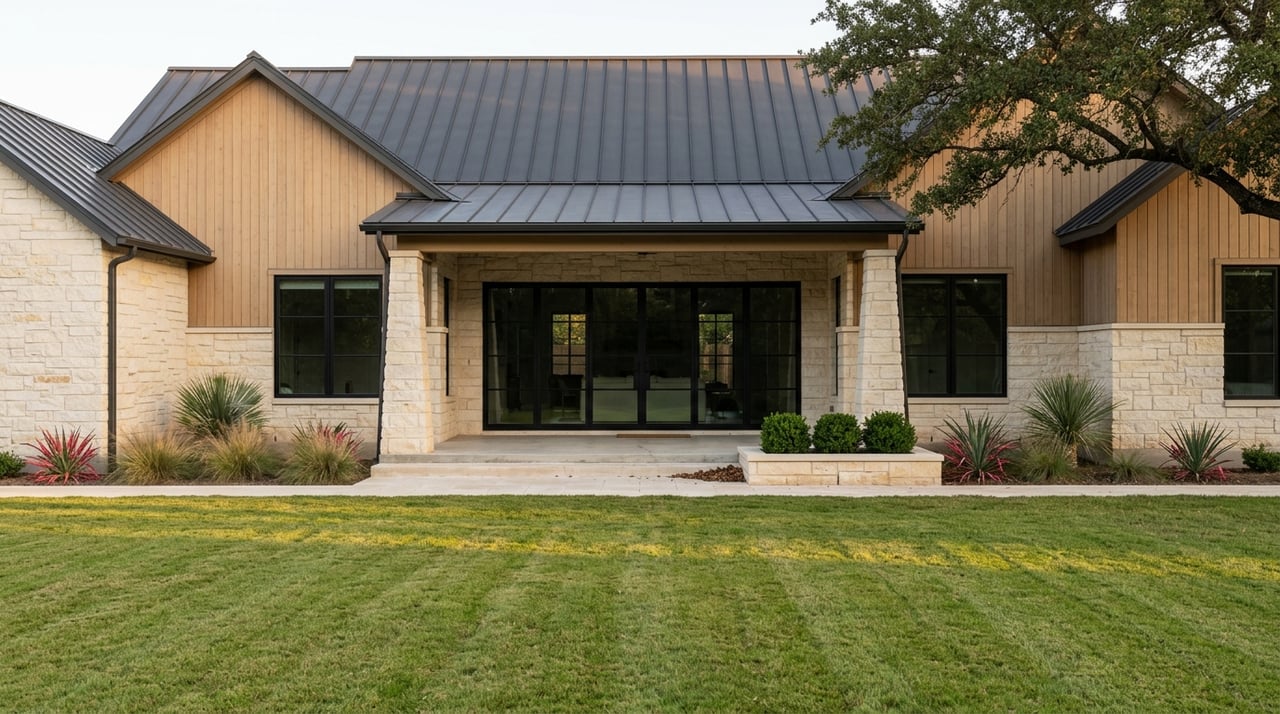
One of the most appealing parts of living in Troy is the variety of property types you may find in one market. For buyers who want choices, that range can be a real advantage.
Based on Troy’s zoning ordinance, detached single-family homes are allowed on minimum lots of 9,000, 6,000, and 5,000 square feet in the city’s single-family districts. Urban Estate zoning allows 22,500-square-foot lots, and Agricultural zoning allows one-acre tracts.
In practical terms, that helps explain why Troy can offer a mix of conventional single-family neighborhoods, newer construction, and rural or acreage opportunities. If you are deciding between an in-town home and a property with more land, Troy may give you both paths to consider.
Why Buyers Look at Troy
Many buyers are drawn to Troy because it offers a quieter place to live while keeping them connected to the Temple-Belton area. If you want access to jobs, medical care, and retail corridors without living in a denser city environment, Troy can make a lot of sense.
Space is another major factor. Some buyers want a traditional neighborhood home, while others are looking for a larger lot or acreage potential. Troy’s range of zoning and housing styles supports both kinds of goals.
For relocation buyers, especially those moving into Central Texas, Troy can be worth a closer look if your priority is balance. You may be able to trade some city noise for a more relaxed daily routine while still staying well connected by I-35.
What to Know About Troy ISD
For many households, Troy ISD is part of the decision-making process when considering a move to Troy. The district serves about 1,725 students across four campuses.
The district also offers a broad mix of programming, including CTE, AP courses, dual-credit opportunities, STEM partnerships, and athletics. Those offerings are one reason Troy remains on the radar for buyers comparing smaller communities in this part of Central Texas.
Community Events and Local Connection
In a smaller town, local events often shape how connected daily life feels. Troy’s farmers market, annual BBQ Cook-Off, and Fun Fest help create those regular moments where residents can gather and support the community.
That kind of rhythm is hard to measure on a listing sheet, but it matters when you are choosing where to live. If you value familiarity, repeat traditions, and places where people tend to cross paths, Troy offers that type of environment.
Is Troy a Good Fit for You?
Troy may be a strong fit if you want a home base with a quieter setting and straightforward access to Central Texas destinations. It can also appeal if you are looking for more lot flexibility than you might find in some larger, more built-out areas.
You might especially want to explore Troy if you are looking for:
- A small-town setting along the I-35 corridor
- Access to Temple-area employers and medical facilities
- A mix of neighborhood homes and larger-lot properties
- Community events with a local feel
- A rural-agricultural backdrop with practical convenience
What Buyers and Sellers Should Keep in Mind
If you are buying in Troy, it helps to get clear on your priorities early. Are you looking for quicker highway access, a newer home, a larger tract, or a property with more separation from neighbors? In a market with both in-town and acreage-style options, that clarity can save time.
If you are selling in Troy, your home’s setting and land profile may be a key part of how it is positioned. A standard single-family home, a newer build, and an acreage property can each speak to a different buyer, so thoughtful marketing matters.
That is especially true in a town like Troy, where buyers may be comparing several lifestyles at once. Some want convenience first, while others care most about space and pace.
If you are thinking about buying or selling in Troy, working with a local agent who understands both the town and the broader Central Texas market can make the process much smoother. Whether you are relocating, moving up, downsizing, or searching for more land, Christie Minalga offers responsive, relationship-driven guidance tailored to your goals.
FAQs
What is Troy, Texas, like for everyday living?
- Troy offers a quieter small-town setting with community traditions, a local farmers market, and access to major employers and medical facilities along the I-35 corridor.
Where is Troy, Texas, located?
- Troy is in Bell County along I-35 between Temple and Waco, making it a convenient location for commuting through the Central Texas corridor.
What types of homes can you find in Troy, Texas?
- Troy includes conventional single-family neighborhoods, newer construction, and rural or acreage opportunities, supported by a range of lot sizes in local zoning districts.
Why do buyers consider moving to Troy, Texas?
- Buyers often consider Troy for its combination of space, a smaller-community feel, and practical access to jobs, schools, medical care, and retail areas in Central Texas.
What should you know about Troy ISD when moving to Troy, Texas?
- Troy ISD serves about 1,725 students across four campuses and offers programming that includes CTE, AP courses, dual-credit options, STEM partnerships, and athletics.
