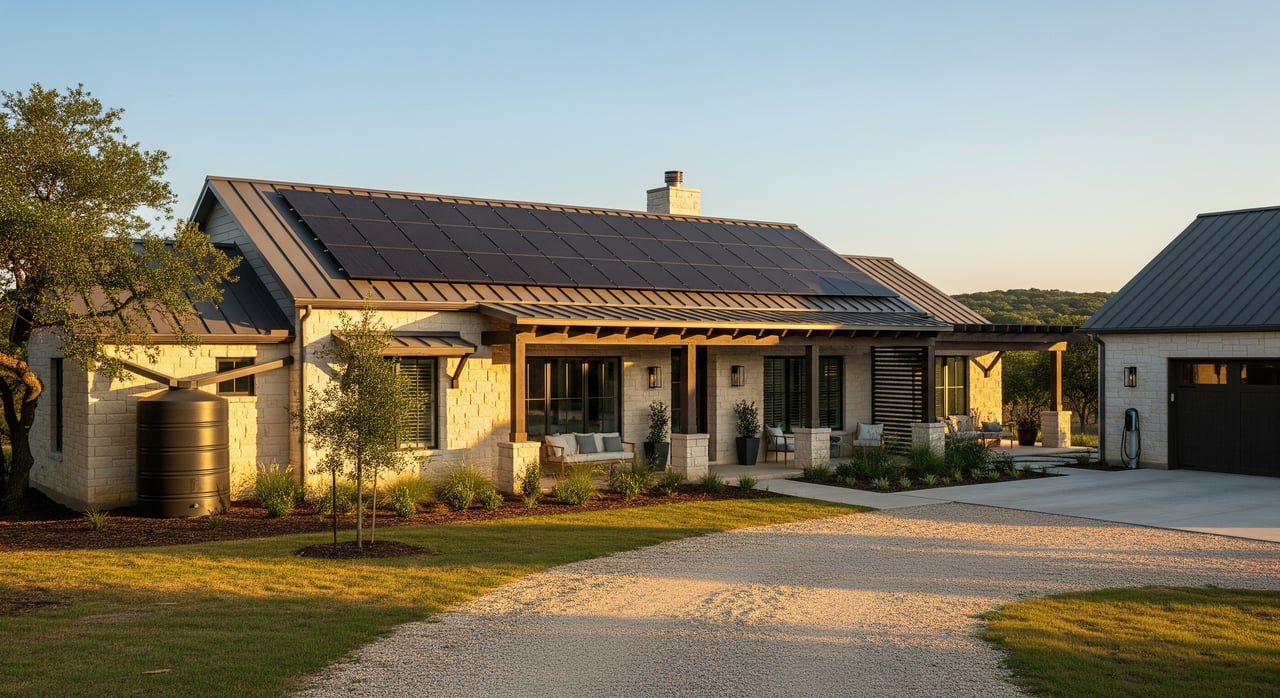
Summer cooling bills in Harker Heights can climb fast, and you feel it every time the thermostat creeps up. If you want lower monthly costs, better comfort, and a home that stands out when you sell, smart energy upgrades can get you there. In this guide, you’ll learn where your dollars work hardest in Central Texas, how to plan the work in the right order, and what incentives might ease the upfront cost. Let’s dive in.
Why Harker Heights homes run hot
Harker Heights sits in Central Texas, where summers are hot and humid and winters are mild. That means cooling is your biggest energy use, with heating playing a smaller role. Homes here often have attics over the living space, slab foundations, and forced-air HVAC. In many older properties, attic insulation is thin and ductwork can be leaky, which wastes cooled air and raises bills.
Because of this climate and typical construction, the best returns usually come from upgrades that reduce heat gain and help your air conditioner work less. Think HVAC tune-ups or replacement, duct sealing, attic insulation and air sealing, reflective roofing where applicable, and exterior shading.
Start with an energy audit
A professional energy audit gives you a prioritized punch list. Auditors use tools like blower doors, duct testing, and thermal cameras to find air leaks, insulation gaps, and underperforming equipment. This information helps you spend wisely and avoid replacing gear before the building shell is fixed. Some utilities offer discounted audits, and even a basic walkthrough can guide your plan.
Prioritize upgrades that beat the heat
HVAC tune-up and right-sizing
A yearly spring tune-up keeps your AC or heat pump efficient and ready for peak season. Technicians should check refrigerant, airflow, coils, and filters. If your system is older or undersized, a high-efficiency replacement can cut cooling costs, but make sure a contractor sizes it properly using Manual J calculations. Zoning and smart thermostats can further reduce runtime and improve comfort.
Duct sealing and insulation
Leaky or uninsulated ducts, especially in hot attics, are a major source of energy loss. Sealing and insulating ducts can reduce cooling waste and help control humidity. This upgrade improves delivered airflow to each room and often fixes hot spots without changing the main equipment.
Attic air sealing and insulation
Attic work often gives some of the quickest payback in hot climates. Air seal penetrations around recessed lights, plumbing, and wiring, then add insulation to cut heat transfer into living spaces. Proper ventilation from soffit to ridge helps the attic shed heat, and radiant barriers can lower peak attic temperatures.
Smart controls and ceiling fans
Programmable or smart thermostats help you manage setpoints and schedules. In rooms you occupy most, ceiling fans improve comfort so you can raise the thermostat a couple of degrees while feeling just as cool. Small changes in setpoints over long summers can add up to meaningful savings.
Shading and window strategies
Exterior shading blocks heat before it enters. Trees, awnings, pergolas, and exterior blinds are effective at reducing solar gain. If windows are due for replacement, choose low-e, solar-control glass and insulated frames designed for hot climates. In many cases, improving shading and the attic delivers faster returns than full window replacement, so evaluate windows case by case.
Water heating updates
Heat pump water heaters are much more efficient than standard electric tanks in warm climates. Insulating hot water pipes and setting a reasonable water temperature are low-cost ways to save. Tankless options can help some households, but benefits depend on usage patterns, so match the system to how you use hot water.
Appliances and lighting
ENERGY STAR refrigerators, washers, and dishwashers cut electricity use compared to older models. LED lighting upgrades are inexpensive and pay back immediately. Combine these with good habits like regular filter changes and efficient laundry settings to keep gains going.
Solar PV in Harker Heights
Harker Heights has a strong solar resource, and rooftop systems can offset a large share of electricity use. Texas retail electricity is deregulated and operated by ERCOT, so net-metering or buyback terms vary by provider. Before sizing a system, confirm your retail electric provider’s interconnection rules and credit rates for exported power. Batteries can add resiliency and help manage demand if your rate plan supports it, but the economics depend on your utility terms and incentives.
When choosing a solar contractor, look for licensed installers with local interconnection experience, clear equipment warranties, and precise production estimates. Get everything in writing, including design, permits, and performance guarantees.
Incentives, financing, and permits
Several federal incentives can reduce upfront costs for qualifying projects like solar and certain high-efficiency equipment. Eligibility and credit amounts change over time, so confirm current details with the IRS and review listings from DSIRE for programs that apply to your address. Local and utility rebates may require pre-approval, specific efficiency ratings, or certified installers.
Common financing options include cash, home equity loans, personal loans, contractor financing, and PACE where available. Some buyers may also explore FHA Title I or energy-efficient mortgage features, subject to underwriting and local availability. For HVAC replacements, solar, and significant envelope work, permits and inspections are typically required by the city or county, so plan timelines accordingly.
The right order of operations
A strategic sequence helps you capture the biggest savings with fewer do-overs:
- Fix urgent issues first, like roof leaks, moisture problems, or failing HVAC.
- Schedule HVAC maintenance, correct refrigerant, and seal and insulate ducts.
- Air seal the attic and add insulation, then confirm ventilation and consider radiant barriers.
- Add a smart thermostat, use ceiling fans, and improve exterior shading.
- Replace HVAC with high-efficiency equipment after the shell and ducts are addressed.
- Consider solar PV and batteries once you have lowered your overall load.
Contractor selection tips
Choose licensed local contractors and ask for references. For HVAC replacements, request Manual J for sizing, Manual S for equipment selection, and Manual D for ducts. NATE-certified technicians are a plus. For solar, ask about their experience with your retail provider, permits, and interconnection. Always get detailed written estimates, equipment specs, and warranty documents.
Timing for Central Texas
Spring and fall are good times for HVAC replacements, when demand is lower and scheduling is easier. Attic work is often more comfortable for crews in cooler months, though it can be done year-round. Solar is installed all year, but timelines depend on permitting and installer availability. Plan ahead if you want upgrades completed before a listing or a move-in.
For sellers: highlight comfort and savings
If you plan to sell, buyers notice documented energy improvements. Service records for HVAC, proof of duct sealing, attic insulation upgrades, and smart thermostats make a listing more attractive. Owned solar can also stand out. Keep receipts, permits, product manuals, and warranty paperwork ready for your disclosure packet and marketing materials.
For buyers: negotiate with data
During inspections, ask for evidence of proper HVAC sizing and working condition, attic insulation levels, and duct performance. Request recent energy bills to understand typical usage. If issues come up, you can negotiate repairs, credits, or a price adjustment. A clear roof condition and documented upgrades can reduce surprises after closing.
Quick action checklist
- Book a professional energy audit.
- Schedule an HVAC tune-up and seal and insulate ducts.
- Air seal and insulate the attic; check ventilation.
- Install a smart thermostat and use ceiling fans.
- Add exterior shading; evaluate windows as needed.
- Review water heater options, then update appliances and lighting.
- Evaluate solar after reducing your overall load.
- Document everything for resale and warranties.
Ready to make a plan?
Whether you are prepping a listing or evaluating a home you want to buy, a targeted energy plan boosts comfort, lowers costs, and strengthens resale value. If you need local, neighborhood-level guidance on which upgrades matter most for buyers in Harker Heights, we are here to help you prioritize and time your improvements around your move. Connect with Christie Minalga to discuss your goals and your next step.
FAQs
What upgrades save the most in Harker Heights?
- In hot, humid Central Texas, HVAC tune-ups or replacements, duct sealing, attic air sealing and insulation, and exterior shading usually deliver the highest savings per dollar.
Should I replace my AC now or tune it up first?
- Start with maintenance and duct sealing; if your system is older or inefficient after fixes, consider a properly sized high-efficiency replacement for the best long-term results.
Is attic insulation more important than new windows?
- Often yes; in many hot-climate homes, attic air sealing and insulation provide faster payback than full window replacement, though each house should be evaluated individually.
What incentives can Harker Heights homeowners use?
- Federal tax credits may apply to qualifying upgrades like solar and certain high-efficiency equipment, and some utilities offer rebates; confirm current rules with the IRS and DSIRE before you buy.
How do I evaluate solar with Texas retail electricity rules?
- Verify your provider’s interconnection process and buyback terms, size your system after completing efficiency upgrades, and choose a licensed installer with local experience and clear warranties.
As a buyer, what energy items should I request from a seller?
- Ask for HVAC service records and sizing info, attic insulation details, duct performance or repair documentation, recent energy bills, and any permits and warranties for completed upgrades.
As a seller, which upgrades add the most listing appeal?
- Documented HVAC servicing, duct sealing, improved attic insulation, smart thermostats, and owned solar often stand out; keep receipts, permits, and warranties to support your listing and appraisal.
