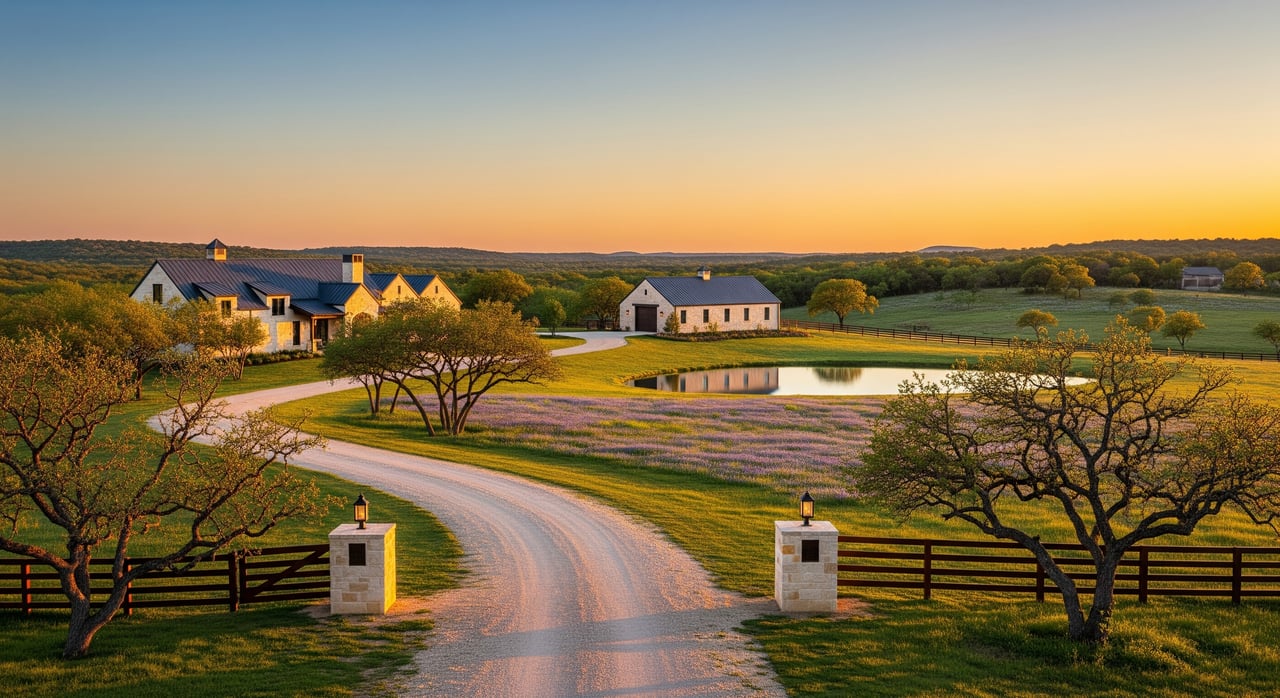
Dreaming of open space, a garden, or room for livestock just minutes from I-35? Buying acreage in Salado can give you rural living with easy access to Temple, Belton, and the Austin corridor. Still, land is different from buying a house, and small details can make or break your plans. This guide gives you a clear, practical checklist for Bell County so you can make a confident offer and avoid expensive surprises. Let’s dive in.
Why buy acreage in Salado
Salado blends a small, historic village feel with quick highway access to job centers. You get the charm of a tight-knit community and the breathing room that acreage provides. Growth across Central Texas influences land values here, so careful due diligence is key. With the right checks, you can enjoy country life without losing convenience.
Start with location and rules
Before anything else, confirm where the parcel sits:
- Inside Town of Salado limits: municipal zoning, building permits, and possible historic-district design controls may apply.
- In the extraterritorial jurisdiction or unincorporated Bell County: county environmental health rules, septic permits, and county development standards are your guide.
- School district boundaries: identify the assigned district, such as Salado ISD, since it affects property taxes and long-term plans.
Contact the Town of Salado for properties in the village and Bell County Development Services and Environmental Health for parcels in the county. Knowing the jurisdiction shapes everything from setbacks to septic options.
Must-verify before you make an offer
Confirm jurisdiction and zoning
Identify whether the land is in Salado’s corporate limits, the ETJ, or unincorporated Bell County. Ask about zoning, subdivision rules, historic overlays, and any design standards. This determines what you can build and how.
Check legal access
Verify public road frontage or a recorded access easement. Unrecorded or verbal access is a red flag. Review any private road maintenance agreements so you understand costs and responsibilities.
Review title, easements, and minerals
Order a current title commitment and read it closely. Look for utility easements, deed restrictions, and liens. In Texas, mineral rights can be severed, so confirm mineral reservations, leases, or pooling that could affect surface use.
Order a current survey
Get a boundary survey to confirm acreage, corners, and fence lines. An updated survey can reveal encroachments and easements not obvious on the ground. If you plan to finance, your lender may require a specific survey type.
Verify water source
Determine if the parcel connects to a public or water supply system or requires a private well. For wells, request existing well logs, then schedule a pump test and water quality testing for potability. Identify the local Groundwater Conservation District to understand any registration or pumping requirements.
Confirm septic feasibility
Most acreage will use an on-site sewage facility. Schedule a soil and site evaluation early. Some soils require larger lots or engineered systems, and an unbuildable septic site can derail your plans.
Evaluate soils and topography
Soil type, depth to rock, and slope influence foundation design, septic placement, drainage, and sitework costs. Steeper or rocky sites may need retaining walls or engineered foundations. Consider a soils or geotechnical review if the terrain looks challenging.
Review floodplain and drainage
Check FEMA flood maps for floodplain designations and ask about any drainage easements. Even land outside mapped zones can pond water after storms. Walk the property after rain if possible to spot low areas.
Screen for environmental concerns
Look for indicators of wetlands, streams, or riparian areas that could limit development. If the property had agricultural chemicals or other prior uses, consider an environmental records search. Ask about endangered species or habitat that may trigger additional reviews.
Identify utilities and broadband
Confirm the electric provider and whether line extensions are needed. If natural gas is not available, plan for propane. Check actual cell service on site and explore broadband options such as fixed wireless or satellite if cable or fiber are not present.
Read covenants and HOAs
Even rural tracts can carry restrictive covenants. Review limits on livestock, fencing, outbuildings, commercial use, or home placement. If near Salado’s historic core, ask about any design controls.
Plan your financing
Land loans often require larger down payments, shorter terms, and higher rates than home mortgages. If you plan to build, you may need a construction loan and proof of acceptable water, septic, and access. Some parcels may qualify for USDA programs when a compliant home is part of the plan.
Get insurance estimates
Obtain quotes for property and liability coverage. If any portion lies in a FEMA flood zone, ask about flood insurance. Discuss wildfire risk and mitigation steps that may lower premiums.
Smart contract protections
Include clear contingencies to protect your purchase:
- Survey and title: satisfactory survey, clear title, and acceptable easements.
- Water and septic: acceptable well yield and quality, plus county approval for septic.
- Environmental and site: satisfactory environmental screen and any required engineering.
- Financing: approval for the loan type you need and lender site requirements.
- Use and permits: ability to build your intended home, install septic, and run electric.
After-closing essentials
- Record the correct 911 address and verify road signage for emergency access.
- Transfer or start utility accounts and schedule routine well and septic maintenance.
- Implement vegetation and brush management to reduce wildfire risk.
- File your homestead exemption if it will be your primary residence.
- If pursuing agricultural or wildlife valuation, start documentation immediately and follow County Appraisal District guidance.
Taxes and exemptions
Texas property taxes come from several jurisdictions, often with the school district as the largest piece. Ask the Bell County Appraisal District about recent tax history and exemptions. Agricultural valuation, also called 1-d-1 or productivity valuation, can meaningfully reduce taxes for qualifying agricultural or wildlife management use. Homestead exemptions are separate and apply to owner-occupied primary residences.
Budget for rural costs
Owning acreage includes ongoing expenses beyond the purchase price. Plan for:
- Driveway construction and private road upkeep
- Utility line extensions and trenching
- Septic installation or engineered systems
- Well drilling or pump repairs
- Brush control, fencing, and pond maintenance
- Higher liability exposure for larger tracts and features like ponds or trails
Local contacts to call
- Town of Salado planning, building permits, and historic district staff
- Bell County Development Services and Environmental Health for septic permits and county standards
- Bell County Appraisal District for tax history, homestead, agricultural, and wildlife valuation
- County Clerk for deed, easement, and covenant records
- Applicable Groundwater Conservation District for well rules
- FEMA or the county floodplain administrator for flood maps and permits
- Texas Parks and Wildlife and U.S. Fish and Wildlife Service for wildlife and habitat guidance
- USDA Rural Development and local lenders for rural loan programs
- Local electric providers and cooperatives for service availability and line extensions
- Local title companies and surveyors for commitments, closings, and surveys
Work with a local guide
Buying land in Central Texas is a big move, and the details matter. You deserve a partner who knows Salado, understands rural due diligence, and can help you line up the right inspectors, surveyors, and lenders. If you are relocating, including military or first responders on a timeline, I can tailor the process to your schedule and goals. Ready to walk properties or talk through your checklist? Reach out to Christie Minalga.
FAQs
What financing works for Salado acreage?
- Land loans often require larger down payments and shorter terms than home mortgages. If you plan to build, a construction loan may also be needed, and lenders will check for acceptable access, water, and septic.
How do I know if a septic system will work on my Bell County land?
- Schedule a county-accepted soil and site evaluation early. Some soils require larger lots or engineered systems, and in rare cases a site may not qualify without significant design changes.
Do I automatically own the mineral rights in Texas?
- Not necessarily. Mineral rights can be severed from surface ownership. Review the title commitment and recorded deeds for mineral reservations, leases, or pooling that could affect surface use.
Should I worry about flooding if the land is not in a FEMA zone?
- Yes, still check drainage. Parcels outside mapped floodplains can have localized ponding or low spots. Walk the site after a rain, review maps, and ask about drainage easements.
How can I lower property taxes on acreage near Salado?
- Ask the appraisal district about agricultural valuation or wildlife management options if you plan bona fide qualifying use. For a primary residence, also file for the homestead exemption.
Who maintains a private easement road to my tract?
- Maintenance is typically shared by landowners through written agreements. Review any recorded road maintenance agreement and understand your cost share before you purchase.
